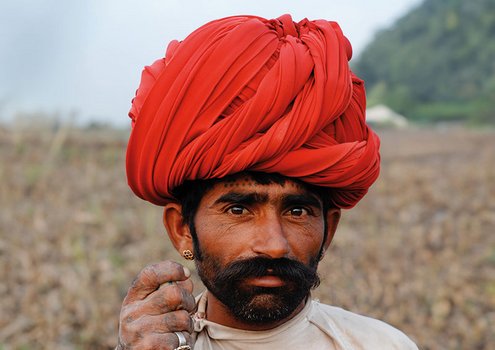
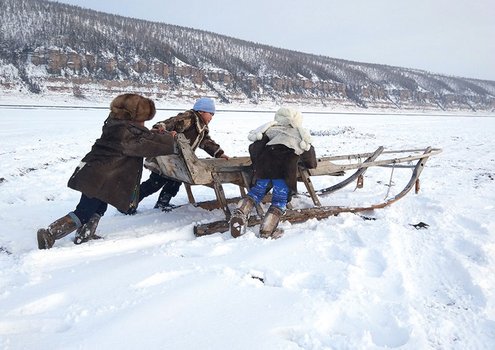
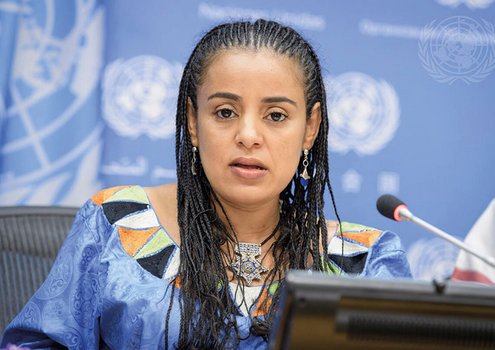
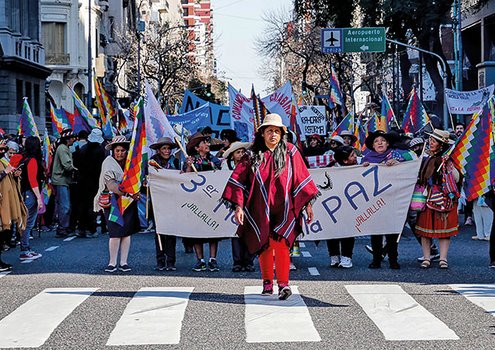
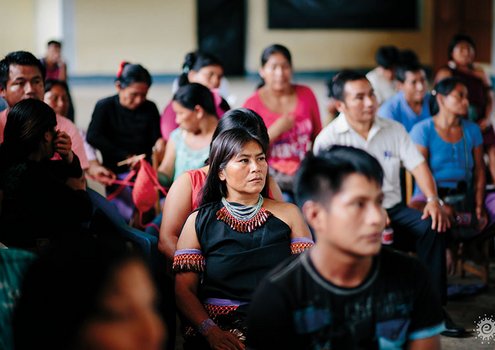
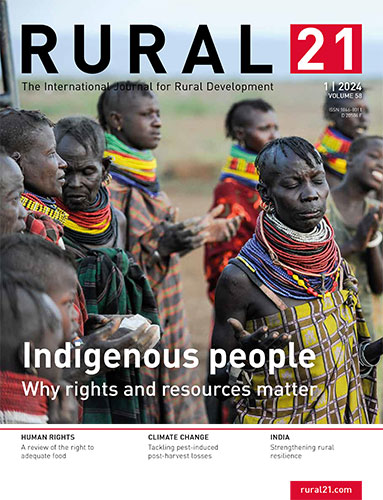
Despite the pledge by the 2030 Agenda for Sustainable Development to “leave no-one behind”, even today, a disproportionately high number of indigenous people live in poverty. One of the reasons for this is their limited…
“No indigenous land will be demarcated in my government,” declared Brazil’s former President Jair Bolsonaro at the beginning of his period in office, opening the door for illegal mining and land invasions, with…
Over generations and centuries, Indigenous Peoples and other custodians of traditional knowledge have developed a vast amount of cultural heritage and culture-based practices, creations and innovations. Only recently has…
The rights of Indigenous Peoples are laid down in numerous international and national agreements. Our author gives an account of how these sets of regulations developed and points out their strengths and weaknesses.…
The green energy transition is creating a huge demand for minerals like lithium. Extracting such minerals is highly land-intensive, and largely takes place in Indigenous Peoples’ territories, impacting habitats and…
In order to operationalise their internationally recognised right to free, prior and informed consent (FPIC), many Indigenous Peoples are developing FPIC protocols. Our author explains what is behind these instruments…
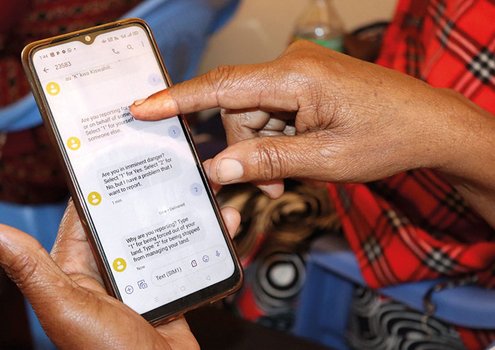
Access to land is vital for rural communities, but climate change and a growing demand for this resource have exacerbated conflicts over land that disproportionately affect marginalised groups, especially women and…
By documenting and reporting their situation, Indigenous Peoples can enhance their access to justice and development. The Indigenous Navigator provides them with the necessary tools.
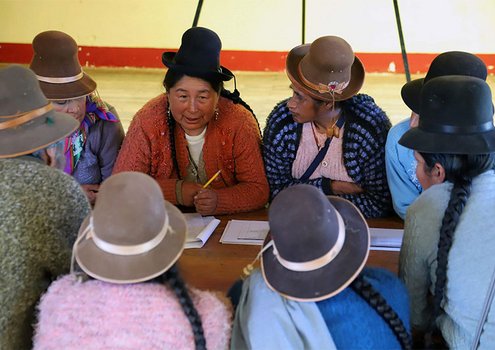
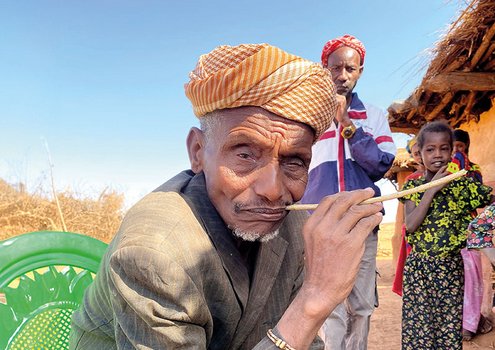
Indigenous peoples in rural areas face many challenges: poverty, hunger, weak access to basic social services and productive assets like land, water, or seeds. The root causes are inequality and exclusion from political…
In order to address the challenges climate change is posing, we have to make use of the traditional knowledge of local communities. Nowadays, this requirement is hardly ever missing in international agreements.…
storing cookie settings from this bar
cookies used by this function:
cb-enabled:
(1 month)
TYPO3 Frontend User
TYPO3
standard TYPO3 session cookie to hold User login information for this webpage
cookies used by this function:
fe_typo_user:
( session)
PHPSESSID
PHP
PHPSESSID is a standard session cookie for PHP applications. It is used to recognize the user in order to deliver the desired content.
cookies used by this function: