A closer look at...

Food losses

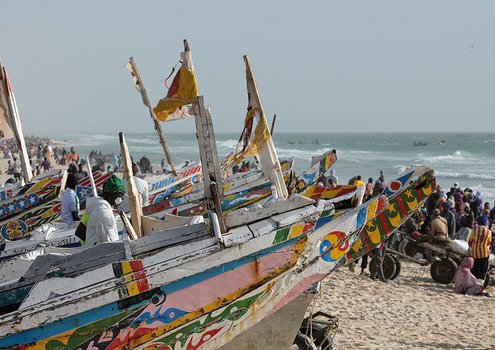
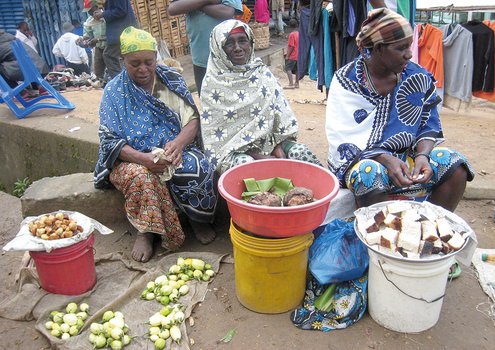
Roughly one third of the food produced globally for human consumption is lost or wasted – 1.3 billion tons per year. Even if these estimates are subject to numerous uncertainties, one thing is beyond doubt: every kilogramme of food that is produced but not consumed is one too many. For it embodies valuable, wasted resources such as land, water, agricultural inputs and energy, unnecessary CO2 emissions have been released into the atmosphere, farmers have lost not only income but also a valuable part of their nutrition, and consumers pay the increased prices that result. Our authors analyse the dimensions of these losses and the underlying complex web of causes and show how approaches have to be designed against the background of global challenges such as climate change and food security.


Articles:

A closer look at...

Marketing

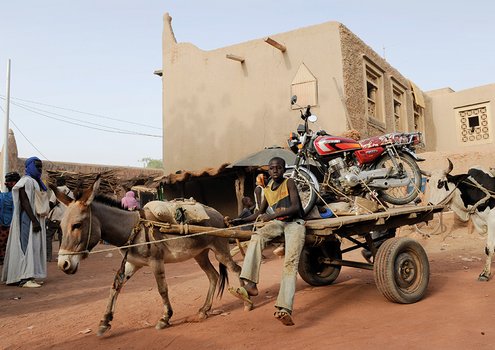
The reliable provision of high-value goods is just one aspect of developing value-added chains. It is equally important to create a stable demand. But consumer preferences first have to be established before marketing strategies can be focused.
 

Article:

A closer look at...

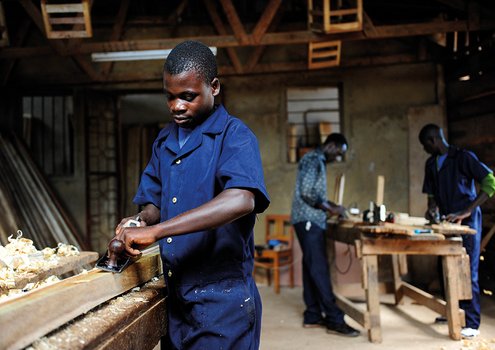
Youth

Young people are the future. And they need employment. For many African countries, creating these employment opportunities is a challenge, and in post-conflict states such as Liberia the hope for a sustainable peace adds an additional dimension to the task.


Articles:
 

A closer look at...

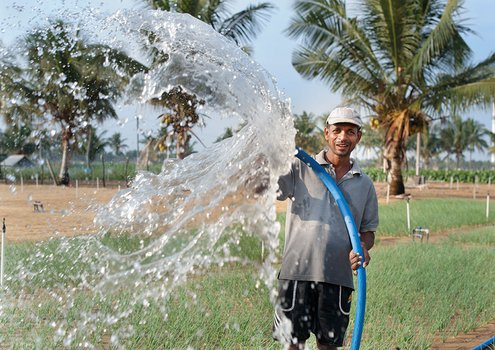
Water

Particularly in arid and semi-arid regions, sound water management is crucial to food security for the population and to preserving natural resources. The most sustainable measures are those involving the locals in planning and implementation.


Articles:

A closer look at...

Marginality

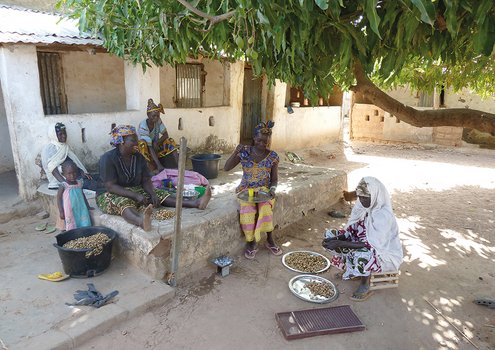
In overcoming hunger and poverty, a special focus must be given to marginalised rural communities –  those people living on the edge of society and having no or limited access to markets or networks to fulfil their basic needs.

Articles:

A closer look at...

Ecosystem services

Since the 1990s, the concept of payments for ecosystem services has been gaining ground internationally. Today’s projects above all focus on achieving an optimal balance between the conservation of valuable ecosystems and poverty alleviation.

Articles:

A closer look at...

Responsible investments

Since the 2007/2008 world food price crisis at the latest, the international community has tirelessly reiterated the key role played by the agricultural sector and rural areas in efforts to combat hunger and poverty. The many years of neglect of the sector in international cooperation – and in many of the policies adopted by the affected countries themselves – is now to be remedied as quickly as possible. Large sums have been pledged and, in the best case, have been deployed. But will those for whom they are intended, namely the smallholders and rural poor, profit from all this investment? What shape must investments take in order that they really reach the target group? And which – desired and undesired – side effects are to be expected? Our authors have explored all these questions and more.

Articles:

A closer look at...

Gender

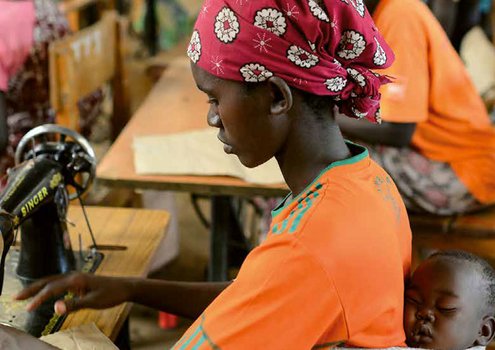
In numerous publications, the FAO and the World Bank have emphasised that a country’s economic development could improve considerably if women were no longer barred access to important resources. However, despite individual success stories, there is still a long way to go.


Articles:

A closer look at...

Renewable Energy

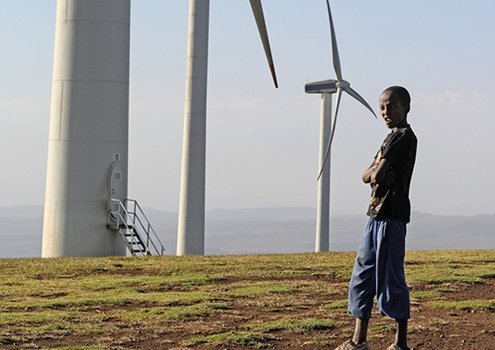
Energy poverty is always a prime component of poverty in developing countries, as the former head of the UN Environment Programme (UNEP), Prof. Klaus Töpfer, never tires of emphasising. However, what form can future energy production take if it is to contribute to poverty reduction but must do so without damaging sensitive ecosystems and accelerating climate change?


Articles:

A closer look at...

Bioenergy

The biogas technology is an alternative energy source for cooking and lighting for the rural farmers. In a lot of ways, the technology is reducing the heavy dependence of rural population on biomass as their main source of energy. In Kenya for instance, wood fuel accounts for about 68 per cent of the total primary energy source. And with only 15 per cent of the Kenyans having access to electricity, this results to heavy depletion of the country's forest reserves and thus serious environmental degradation.

Article:

A closer look at...

Organic farming

Is organic agriculture, which does not seek output maximisation, able to feed a growing world population, or will it always remain a fine but small niche? Can smallholders in the South achieve stable incomes by converting to organic production? Or is it possibly even grossly negligent to entice them to join the markets – doubtlessly expanding – for organic food as they may never actually be able to enter them due to the high quality standards and entry costs? While our authors do not have simple answers to these questions, they are very instructive.


Articles:

A closer look at...

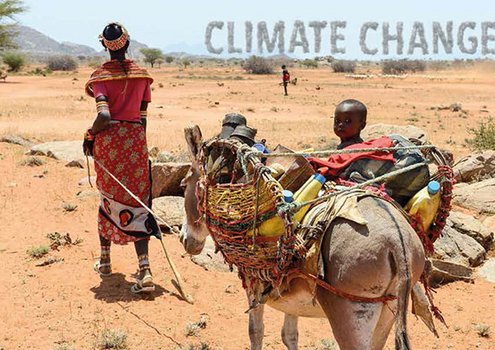
Climate change

Agriculture is a major contributing factor to climate change; at the same time, it is one of the areas most affected by climate change, which is jeopardising global food security. Alternative practices are required both to make agriculture more resilient to and reduce its contribution to climate change.


Articles:

A closer look at...

Agroforestry

Agroforestry systems bear a considerable potential to reconcile income security in rural regions with the conservation of natural resources – provided that a suitable political framework is in place.

Articles:

A closer look at...

Agriculture

New cultures or cultivation methods can provide higher yields, better income prospects and more sustainable production. However, it is not always easy to convince farmers of the advantages and find first movers.

Articles:

A closer look at...

Food security

Against the background of a growing world population, finite natural resources and numerous threats such as climate change and political conflict, securing world food supplies remains the challenge that the international community of states faces.


Articles:

A closer look at...

Cooperatives

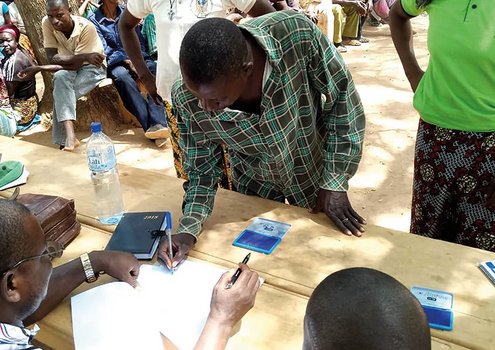
The cooperative model has been sidelined in development cooperation for many years – for various reasons. On the one hand, cooperatives have been completely overestimated as an instrument and expected to solve a whole bunch of problems at one stroke. On the other hand, they were long misused for state purposes and have therefore been regarded with mistrust. The fact that the United Nations has declared 2012 the International Year of Cooperatives is a good opportunity to take a closer look at this special form of enterprise. We wish to give you an idea of the range of manifestations that the cooperative model has taken worldwide and of the role that cooperatives can play in overcoming rural poverty.

Articles:

A closer look at...

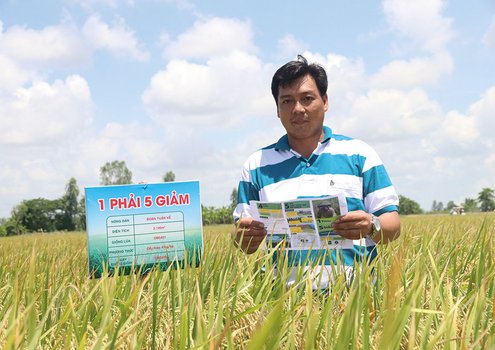
Asia

Rice self-sufficiency is an important political objective for many Asian countries. However, factors such as non-sustainable production methods, the rush for farmland or a lack of young peasants to look after the paddies can easily jeopardise self-sufficiency.

Articles:

A closer look at...

Land tenure

Land is probably the most valuable asset that rural communities possess in the developing world. In this section, we present examples of how conflicts over land tenure and access to land can be solved against the background of different legal frameworks.

Articles:

A closer look at...

Health

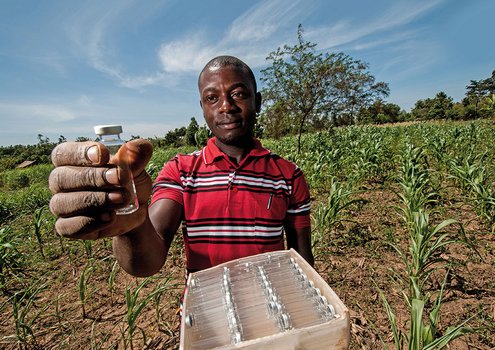
New infectious animal diseases that affect public health and have the capacity to cross borders will continue to emerge around the globe. These diseases could potentially develop human-to-human transmissibility; thus they incite public fear. A proactive approach to disease risk management that combines foresight, prevention, impact mitigation, early detection, and swift and effective responses is warranted.

Articles:

A closer look at...

Environment

The benefits that new technologies such as Information and Communication Technologies offer must not obscure the fact that their use often entails negative impacts on the environment.


Articles:

A closer look at...

Rural development

It is a truism that projects in rural development can reckon with the best prospects for success if the target population is actively involved in them. However, this does not mean that a participatory and integrated approach can be implemented without any problems everywhere.


Articles:

A closer look at...

Development cooperation

In this section you can find best practice examples, country studies and in-depth reports on German and international development cooperation.


Articles:

A closer look at...

Biodiversity

Many countries in the South can (still) boast an unbelievable level of biological diversity. However, awareness of their value is not always there. The best way to protect the valuable plant and animal species is to use them sustainably.


Articles:

A closer look at...

Empowerment

Often, just a slight impulse is enough to empower people in the countries of the South to take their fate into their own hands and thus promote rural development.


Articles:

A closer look at...

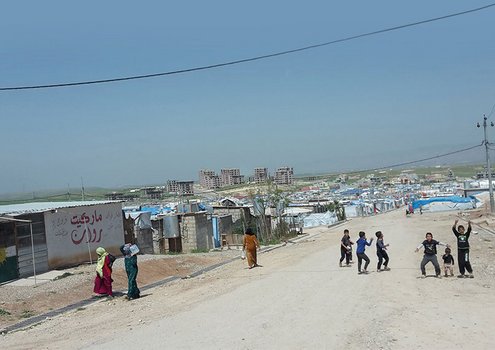
Fragility

Fragility is a huge challenge for rural development – and a very multifaceted one. Fragile states are lagging especially far behind in achieving the MDGs. In what ways do fragile states inhibit the development of rural regions, and how can these inhibitions be countered? What role can civil society play in overcoming internal or cross-border conflicts?


Articles:

    A closer look at...

    Tourism

    The tourism industry has become a major economic sector in many developing and emerging countries. In the context of the sustainability debate, tourism and hotel operators are increasingly expected to satisfy the requirements of sustainable tourism. This includes not only improving their eco-balance and demonstrating a responsible attitude towards the natural environment, but also social responsibility; which means enabling the local population to participate in the economic development of the region. However, political conflicts can quickly nullify any success that has been achieved.


    Articles:

    A closer look at...

    Food prices

    Just three years after the 2007/2008 food price crisis, prices for staple foods and agricultural commodities are on the rise again. There is cause for concern about food security. The authors in this issue of Rural 21 have explored the following questions: What are the reasons for the new price increases? How are affected countries and the international community of states responding to the situation? How can future food (price) crises be prevented?


    Articles:

    COMING EVENTS

    22-23 May 2013 - Yaoundé, Cameroon

    Forest management in Central Africa: Yesterday, today and tomorrow

    Information: Website  | Contact 

    29-31 May 2013 - Safari Conference Centre, Windhoek, Namibia

    eLearning Africa 2013 - 8th International Conference on ICT for Development, Education and Training

    Information: Website  |  Contact

    10 - 12 June 2013 - Berlin, Germany

    Policies against Hunger -Land ahead!

    Information: Website  |  Contact 

    18-19 June 2013 - Eschborn, Germany

    Eschborn Dialogue 2013

    Information: WebsiteContact  

    19-21 June 2013 - Halle (Saale), Germany

    IAMO Forum 2013: Rural areas in transition  

    Information: Website  | Contact

    25-26 June, 2013 - Dresden, Germany

    Cracking the Nut 2013: Sustainable Sourcing for Agricultural Supply Chains

    Information: Website | Contact

    30 June - 4 July 2013, Naivasha, Kenya

    9th Triennial Conference of the African Potato Association

    Information: Website | Contact

    15-20 July 2013 - Accra, Ghana

    Africa Agriculture Science Week

    Information: Website | Contact

    1-6 September 2013 - Stockholm, Sweden

    World Water Week

    Information: Website  |  Contact 

    8-11 September 2013 - Cairo, Egypt

    2nd International Conference on Optimum Utilization of Salt Affected Ecosystems in Arid Regions

    Information: Website | Contact   

    8-16 September 2013 - Rottenburg, Germany

    Summer School - Rural Development Beyond Agriculture: Perspectives and Potentials

    Information: Website | Contact  

    17–19 September 2013 - Stuttgart (Hohenheim), Germany

    Tropentag 2013

    Information: Website | Contact 

    23-25 September 2013 - Bonn, Germany

    CGIAR Science Forum 2013

    Information: Website | Contact

    29 September - 2 October 2013 - Noordwijkerhout, The Netherlands

    First International Conference on Global Food Security

    Information: Website | Contact

    21-24 October 2013 - Yaounde, Cameroon

    3rd Africa Rice Congress

    Information: Website | Contact

    22-25 October 2013 - Paris, France

    Efficient 2013 - The 7th IWA Specialist Conference on efficience use and management of water

    Information: Website  |  Contact 

    12-16 November 2013 - Hanover, Germany

    Agritechnica

    Information: Website | Contact

    18-29 November 2013 - Los Baños, Philippines

    Transition to sustainable production systems: Crop-livestock-environment interactions in a changing climate

    Information: Website  | Contact